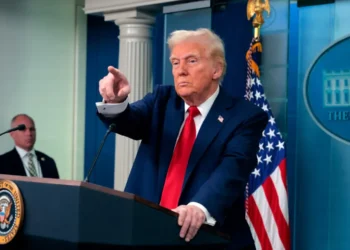


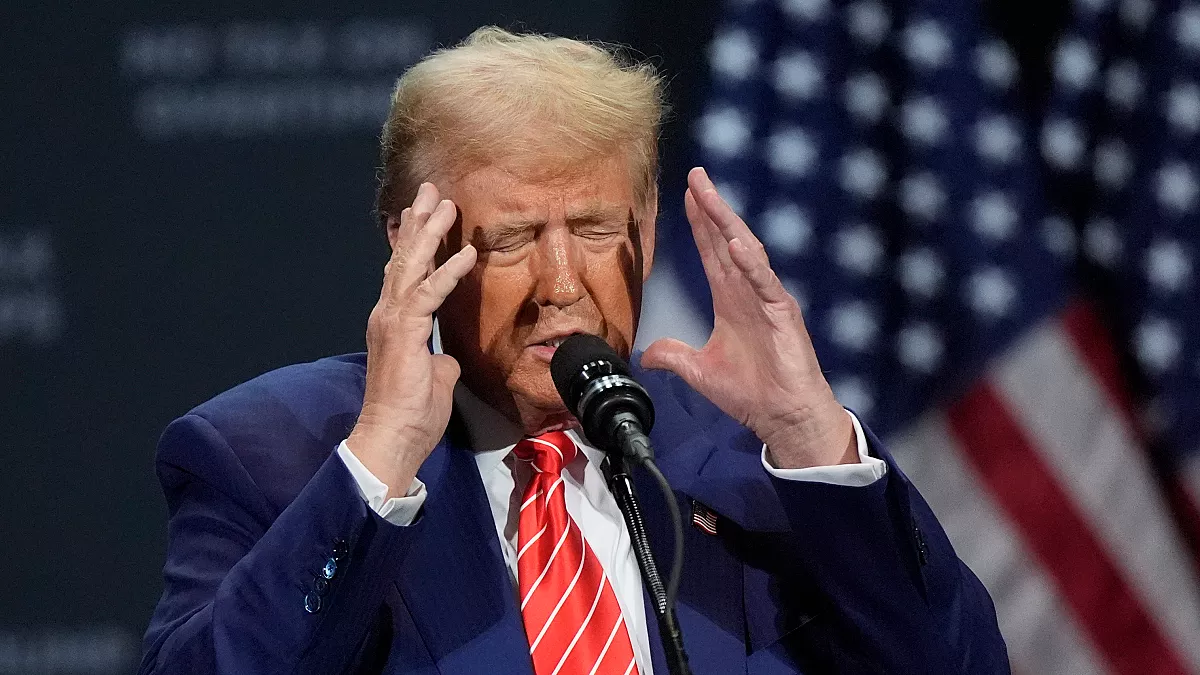
Donald Trump, the Republican candidate for the 2024 U.S. presidential election, has amplified his call for a return to paper ballots, labeling them as the only way to secure a “truly honest” electoral process. At recent campaign events and interviews, Trump highlighted what he sees as flaws in electronic voting and mail-in ballots, proposing that a nationwide move to paper ballots, along with other reforms, would be critical to restoring public trust in U.S. elections. His advocacy for these changes aligns with his ongoing claims about widespread fraud in the 2020 election—claims that were widely dismissed by federal agencies, independent audits, and numerous court rulings.

Trump’s Case for Paper Ballots and Other Reforms
In recent statements, Trump laid out a detailed vision for U.S. election reform, focusing on four key areas: exclusive use of paper ballots, same-day in-person voting, citizenship verification for voters, and mandatory photo ID at polling stations. At the heart of his proposal is a belief that paper ballots, counted manually and locally, would eliminate what he terms “irregularities” introduced by electronic voting systems. “Unless you have paper ballots, it can never be an honest election,” Trump remarked, emphasizing that digitized systems are vulnerable to manipulation.
Trump’s comments on this topic have become more frequent and consistent, with specific references to his proposed measures during his rallies and media appearances. He posits that these reforms would prevent election fraud, streamline the voting process, and reassure Americans that their votes are accurately counted. His comments resonate strongly with his core supporters, who remain skeptical of the legitimacy of recent elections, yet these claims clash with assessments from experts and election officials.
The Reality: Existing Paper Trails in U.S. Elections
Contrary to Trump’s assertion that the U.S. lacks secure paper ballot systems, election officials and experts emphasize that the current infrastructure already incorporates robust paper trail measures. According to Verified Voting, a nonpartisan organization tracking election integrity, over 98% of U.S. voters currently live in jurisdictions that generate a paper record of ballots, whether through direct paper ballots or electronic systems with paper verifications. This approach allows for audit trails and recounts in most jurisdictions, minimizing the risk of manipulation.
Mark Lindeman, director for policy and strategy at Verified Voting, noted that “most voters already use paper ballots.” The remaining areas without such measures, constituting just over 1% of the electorate, are limited to specific Texas counties and the entire state of Louisiana, both of which rely on fully electronic voting systems. Lindeman asserts that the existing paper trail provides an effective basis for recounts and post-election audits, offering a level of security and transparency to the electoral process.
Why Paper Ballots Alone Aren’t Enough
While paper ballots are an important component of a secure voting system, election experts caution that other layers of security are equally critical. Ballot verification, security protocols around ballot storage, voter identity verification, and digital safeguards contribute to a secure voting ecosystem. Sole reliance on paper ballots without these additional measures, experts argue, would not necessarily improve election security. Moreover, officials highlight that existing security protocols within electronic and mail-in voting already address many of the concerns raised by Trump and his supporters.
Experts like MIT political scientist Charles Stewart III explain that “switching to only paper ballots could lead to unintended consequences, such as delays and logistical challenges,” particularly in high-population areas where millions of ballots need to be processed in a limited timeframe. Additionally, paper-only systems require extensive storage, security, and counting resources, which may not be feasible in all localities. Consequently, while paper ballots are secure, they are most effective when part of a comprehensive and multilayered approach to election integrity.
Public Perception and Trump’s Continued Influence
Trump’s repeated assertions about election fraud, especially in light of his 2020 defeat, have continued to shape public opinion. According to recent polls, a significant portion of the Republican base remains doubtful of the 2020 election results, despite the absence of evidence supporting claims of widespread fraud. Trump’s renewed focus on election reforms, especially paper ballots, is an extension of his efforts to solidify his stance on election integrity as a central campaign issue.
However, experts warn that such rhetoric can undermine public confidence in the electoral process itself. Misinformation surrounding election security and baseless fraud claims can lead to lower voter turnout and increased polarization, as voters on both sides question the legitimacy of the process. The Brennan Center for Justice noted in a recent report that consistent false claims about election integrity have increased public distrust, posing a long-term risk to democratic engagement and stability.
Potential Challenges of Implementing Paper Ballot-Only Systems
Implementing a nationwide paper ballot system would require substantial investments in infrastructure, staffing, and training to ensure smooth operations on election day. Election officials warn that such a shift could strain local election budgets and resources, particularly in large urban areas with high voter turnout. Additionally, a transition to paper ballots would necessitate secure storage facilities, trained staff for manual counting, and a comprehensive audit system to verify results—components that would require careful planning and significant funding.
Furthermore, experts emphasize that the 2020 election was one of the most audited and verified elections in U.S. history. State and federal audits, recounts, and bipartisan reviews confirmed the integrity of the election process. The U.S. Cybersecurity and Infrastructure Security Agency (CISA) called the 2020 election “the most secure in American history,” highlighting the numerous security measures in place to protect against fraud.
Policy Implications of Trump’s Proposals
Trump’s proposals to eliminate mail-in voting and introduce mandatory voter ID and citizenship verification raise significant policy implications. Mail-in voting, which has been widely used across party lines, offers increased accessibility, especially for rural, elderly, and disabled voters. Removing this option, experts argue, could disproportionately impact voter turnout among these demographics, leading to potential disenfranchisement.
Mandatory voter ID and citizenship verification also face practical challenges. Proponents argue that these measures would prevent illegal voting, but critics contend that they could create barriers to voting, particularly for marginalized communities. Studies from the Government Accountability Office and other institutions indicate that voter ID laws may reduce turnout among minority and low-income groups, who are less likely to possess government-issued identification.
The Broader Debate on Election Integrity
Trump’s emphasis on paper ballots and election reforms reflects a broader debate within the U.S. about election integrity. With advancements in voting technology, the nation’s electoral system has increasingly integrated digital tools, leading to discussions about balancing accessibility, security, and public trust. Advocates for digital voting argue that technology can streamline the voting process, making it more accessible and efficient. Yet, concerns about cyber threats and misinformation have led some to question the role of electronic systems.
The bipartisan Election Assistance Commission (EAC) has underscored the importance of election security and auditability in its guidelines for state election processes. While the EAC does not mandate specific voting methods, it supports a diverse approach, advocating for both paper-based and electronic solutions that prioritize audit trails and verification.
Conclusion: Election Integrity in 2024 and Beyond
As Trump continues to shape his campaign around election reforms, his proposals spotlight a broader conversation about democracy and trust in institutions. While paper ballots offer one avenue toward transparency, experts argue that a holistic approach encompassing voter education, security protocols, and accessible options for all citizens is essential to a robust democratic process.
The calls for sweeping reforms come amid heightened political polarization, with both parties seeking to reassure voters of the electoral process’s integrity. As the 2024 election approaches, the debate over election security will likely intensify, underscoring the need for balanced policies that uphold both accessibility and security, ultimately fostering public confidence in the nation’s democratic foundations.