

Rising Civilian Casualties in Beit Lahiya
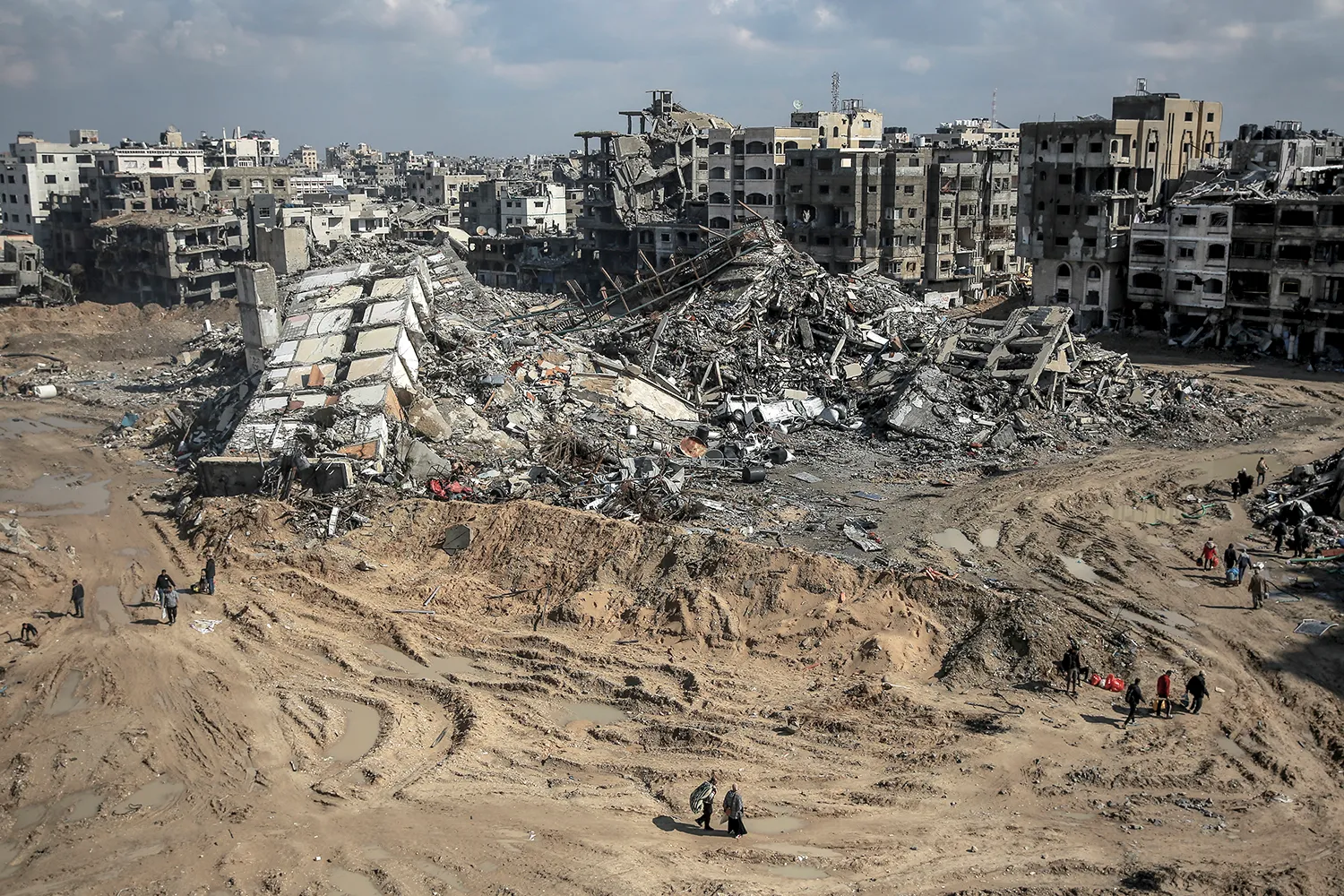
In a continuing escalation of violence, Gaza’s northern city of Beit Lahiya witnessed the tragic deaths of 45 Palestinians following a major Israeli military assault. The conflict, intensified by both ground operations and airstrikes, has led to widespread destruction of homes, critical infrastructure, and even medical facilities, leaving Gaza’s residents in a state of grave risk and isolation. The fatalities include numerous civilians, underscoring the intense danger posed to non-combatants as the conflict advances.

Attack on Kamal Adwan Hospital
The attack on Kamal Adwan Hospital, a primary medical center in Beit Lahiya, has left its facilities severely compromised. Essential resources such as water storage tanks and electrical systems were critically damaged, disrupting patient care and risking lives. Dr. Hussam Abu Safia, the hospital’s director, confirmed that the assault interrupted vital medical services, and ongoing bombing in the vicinity has deterred humanitarian and medical aid workers from reaching affected areas to deliver support.
Severe Resource Shortages
The situation in Gaza is dire, with significant shortages of water, electricity, and medical supplies affecting tens of thousands of residents. The Israeli government’s blockade has severely restricted the movement of goods and resources, intensifying Gaza’s humanitarian crisis. Hospitals, already overwhelmed by the influx of wounded, are struggling to operate with limited supplies and power. Clean drinking water is now a rare resource, compounding the health crisis as waterborne diseases become a serious risk for the population.
Civilian Casualties and Humanitarian Concerns
The lack of safe zones within Gaza makes evacuation extremely difficult, especially in densely populated neighborhoods like those in northern Gaza. United Nations agencies and humanitarian organizations have expressed deep concern, emphasizing that civilians face imminent risks from continuous airstrikes and shelling. While evacuation corridors have been suggested, there has been little success in implementing them effectively, leaving vulnerable families trapped in dangerous areas.
The impact on children has been particularly severe, with UNICEF and other child protection organizations raising alarms about the physical and psychological toll on Gaza’s youth. Thousands of children are exposed to the trauma of war, witnessing devastation and losing family members.
Call for International Intervention
Human rights organizations and the international community have renewed calls for de-escalation and the establishment of humanitarian corridors. The United Nations has repeatedly urged all parties to prioritize civilian safety, especially in areas like Beit Lahiya, which has become a focal point of the conflict. Resolutions aiming to address the crisis have met with challenges, as diplomatic negotiations remain tense, and efforts to broker peace face numerous obstacles.
Escalating Geopolitical Tensions
The conflict has also drawn in regional actors, with neighboring countries and global powers responding to the unfolding humanitarian crisis. Diplomatic tensions have heightened as various governments advocate for a ceasefire to prevent further civilian casualties. Meanwhile, local populations in Israel and Gaza continue to bear the brunt of these escalations, with little relief in sight.
The current situation illustrates the broader complexities of the Gaza-Israel conflict, where both immediate humanitarian relief and long-term solutions are desperately needed to address the underlying political and social grievances that fuel the violence.