


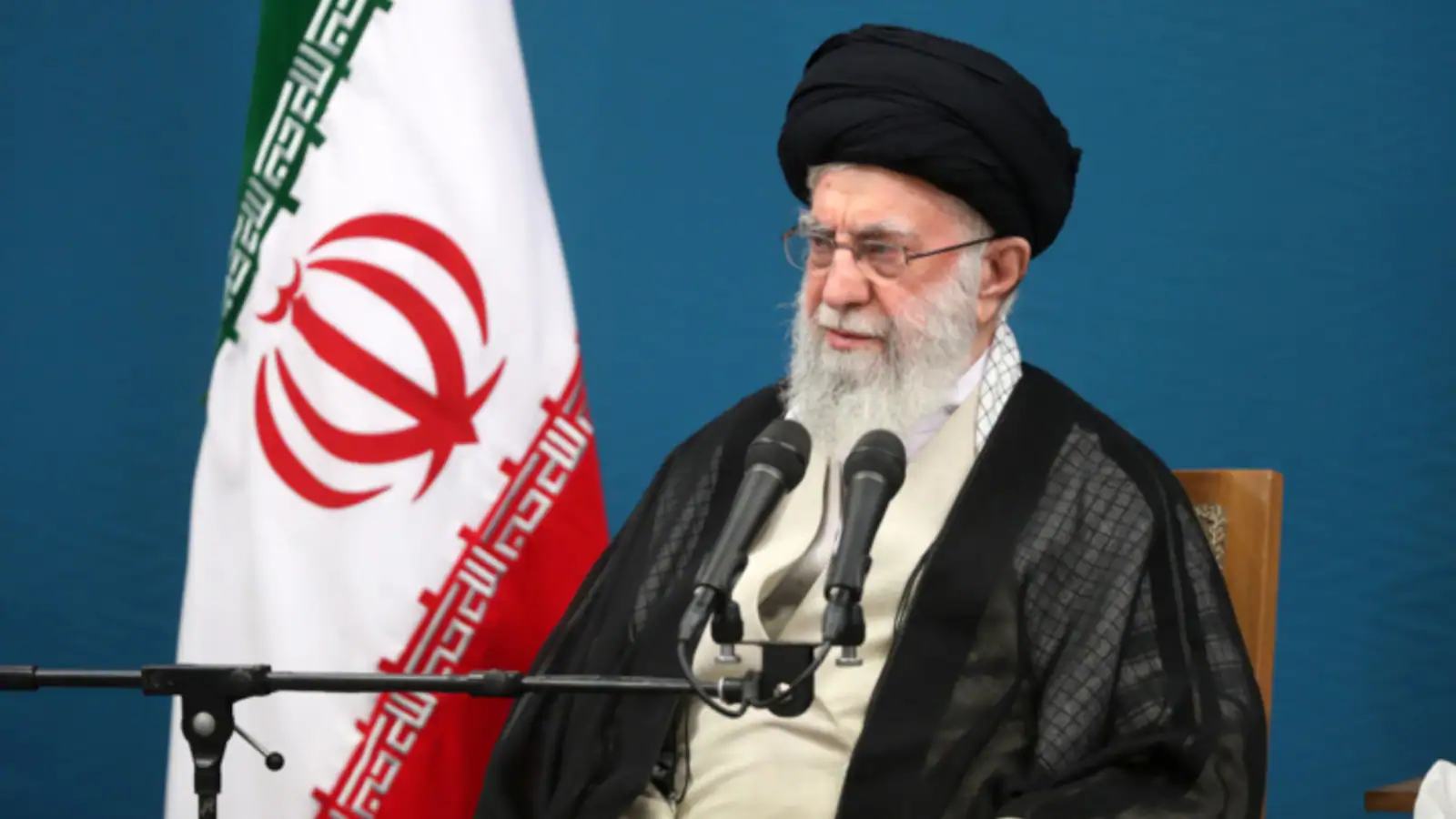
Iran’s Warning to U.S. Allies: A Growing Tension in the Middle East

In a significant escalation of tensions, Iran has issued stern warnings to several U.S. allies in the Middle East, including Jordan, the United Arab Emirates (UAE), Saudi Arabia, and Qatar. The warnings come amid fears that these nations may support Israel in any potential military action against Tehran. According to reports, Iranian officials have cautioned these countries that any assistance to Israel could lead to retaliatory measures if their airspace or military infrastructure is utilized in attacks against Iran.
Context of the Warning
The situation arises from ongoing hostilities between Israel and Iran, exacerbated by the broader conflict involving Palestinian groups such as Hamas and Hezbollah. Following the recent attacks, including a missile strike from Iran that targeted Israel, tensions have significantly heightened. Iran’s Islamic Revolutionary Guard Corps (IRGC) claimed the missile attacks were a direct response to the killings of prominent figures within the Hamas and Hezbollah leadership.
Iran’s threats have reportedly resonated with its regional allies, leading them to express reluctance to involve their territories in any conflict initiated by the United States or Israel. These nations have communicated their stance to the Biden administration, emphasizing a desire to keep their airspace free from military operations directed at Iran.
The Position of U.S. Allies
Arab officials have indicated that the Gulf states are increasingly wary of being dragged into a conflict that could have severe repercussions for their stability. They have made it clear to Washington that they do not wish to support any military action that could escalate into a broader war
. This is particularly crucial as these nations balance their ties with the U.S. against the need to maintain regional peace and stability.
Jordan has already taken steps to secure its airspace, with reports suggesting that it, along with Iraq and Lebanon, closed their airspace in response to the Iranian missile threat. This cooperative defense indicates a regional approach to deter any potential aggression from Iran
U.S. Response
In response to the rising tensions, the Biden administration is reportedly monitoring the situation closely. U.S. officials have warned direct attack on Israel would have “severe consequences” for the Islamic Republic.
The U.S. military has been put on alert, with additional defensive measures being considered to protect Israeli interests.
The Bigger Picture
The escalating conflict reflects a broader geopolitical struggle in the Middle East, where the balance of power is shifting. Iran’s assertiveness and missile capabilities pose significant threats not only to Israel but also to U.S. interests in the region. The involvement of U.S. allies, who are hesitant to participate directly, complicates the landscape further, as these nations seek to navigate their relationships with both the U.S. and Iran.
Conclusion
As the situation unfolds, the Middle East remains a volatile region with the potential for further conflict. The warning serves as a reminder of the intricate and often precarious relationships among nations in the region. The responses from U.S. allies will be crucial in determining the next steps in this ongoing saga, as they balance the pressures of international relations with the imperative of national security