

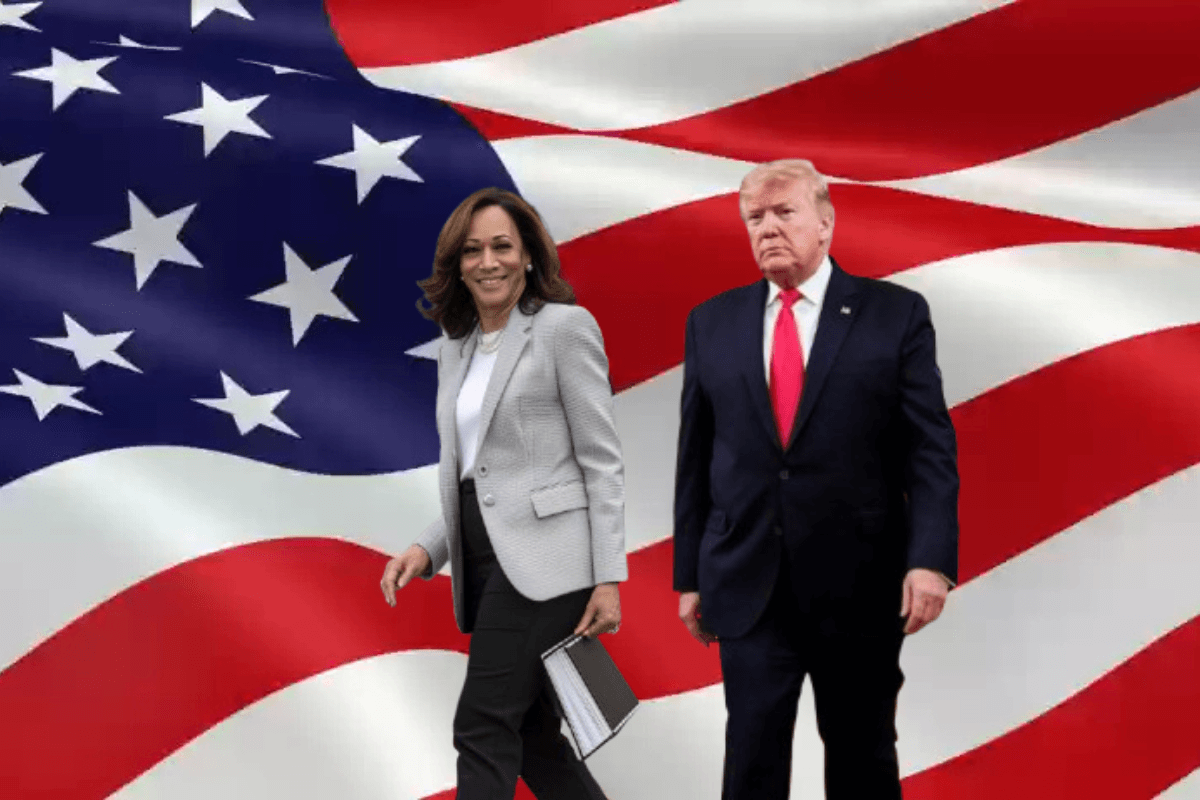
The 2024 U.S. presidential election is shaping up to be a pivotal moment not just for America, but for the entire world, particularly in light of the candidates: Vice President Kamala Harris and former President Donald Trump. Each candidate’s approach to international relations, particularly with key players like China, will have significant global implications.

Kamala Harris: Continuity and Diplomacy
If elected, Kamala Harris is expected to continue the Biden administration’s approach to foreign policy, which emphasizes both competition and cooperation with China. While her foreign policy credentials have been questioned, she has signaled a desire to maintain U.S. leadership in global affairs and is likely to build upon the frameworks established by Biden. Under her leadership, allies in the Indo-Pacific region may find a more predictable U.S. foreign policy that seeks to strengthen alliances and counterbalance China’s growing influence.
Harris has also pledged to prioritize issues like climate change and technological competition, viewing them through a global lens that seeks to maintain America’s stature on the world stage.
Harris’s administration might focus on maintaining dialogues through international forums like APEC and G-20, reinforcing multilateral cooperation and seeking Chinese collaboration on global issues. Her approach would likely contrast with Trump’s aggressive rhetoric, fostering a more nuanced dialogue rather than a combative stance.
Donald Trump: Aggression and Nationalism
On the other hand, a Trump presidency would bring a stark shift towards a more aggressive stance against China and other global powers. His administration would likely prioritize economic and technological competition, employing tactics like imposing high tariffs and withdrawing from international agreements that do not align with his “America First” doctrine. Trump’s history suggests he might pursue unilateral actions over multilateral diplomacy, which could strain relationships with U.S. allies and create an atmosphere of uncertainty in global markets.
Trump’s foreign policy is characterized by a transactional view, often seeing allies as “freeloaders” and prioritizing U.S. economic interests over global collaboration. This could lead to a destabilizing effect on U.S. alliances, especially in regions like the Indo-Pacific, where countries are wary of China’s assertiveness.
The Global Landscape: What’s at Stake
The outcome of the 2024 election will fundamentally shape the global balance of power. Both candidates are expected to maintain a tough stance on China, which is viewed as the primary geopolitical competitor. However, the style and specifics of their policies differ significantly. Harris would likely pursue a mixed approach that balances competition with engagement, while Trump might escalate tensions with punitive measures aimed at reshaping global trade.
Additionally, the candidates’ differing views on trade and tariffs could have immediate consequences for economies worldwide. Trump’s aggressive tariff policies could provoke retaliatory measures from other countries, disrupting global trade flows and creating economic uncertainty. In contrast, Harris may seek to stabilize and expand trade relationships, though she has shown hesitance in fully endorsing free trade agreements.
Conclusion
As the world watches the U.S. elections unfold, the implications for international relations are clear. Whether under a Harris or Trump administration, the approach to foreign policy will have lasting impacts on global stability, trade relationships, and strategic alliances. The candidates’ differing philosophies on diplomacy, engagement, and competition with major powers like China will shape not just the future of the United States, but the international order as a whole.
For more in-depth analysis and insights on the implications of the 2024 U.S. elections, you can explore the following sources: Council on Foreign Relations and The Diplomat.