


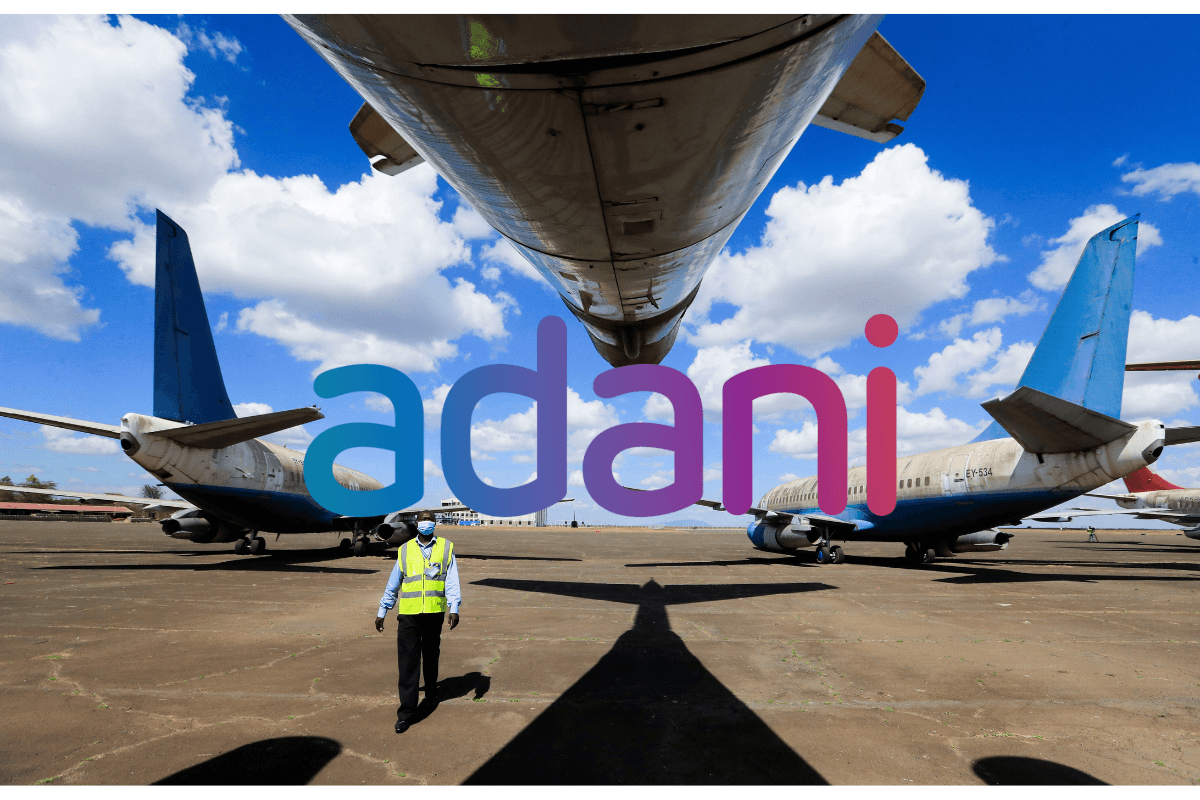
Gautam Adani’s ambitious plans to manage Kenya’s largest airport, the Jomo Kenyatta International Airport (JKIA), have sparked widespread controversy in the East African nation. What began as a potential opportunity for economic growth has escalated into public protests, lawsuits, and political hearings. This growing unrest reflects deep concerns over the transparency and legality of the deal, with citizens, labor unions, and politicians raising alarms over what they perceive as a significant threat to Kenya’s national interests.

The Controversial Airport Deal
The Adani Group, India’s second-largest conglomerate, had proposed a plan to expand and manage the JKIA. The project was part of the company’s broader global strategy to enter and dominate the airport management sector. However, the deal faced immediate opposition from various quarters, including airport workers, lawmakers, and civil society groups. Many argued that allowing a foreign entity to control such a critical national asset could undermine Kenya’s sovereignty and pose long-term economic risks.
Adani’s unsolicited bid to run the airport promised infrastructure upgrades and increased capacity, which the group claimed would turn the JKIA into a leading regional aviation hub. However, critics accused the Kenyan government of lacking transparency in its negotiations, which ignited a wave of protests across the country. Demonstrators feared that Adani’s involvement might lead to job losses, higher costs for travelers, and reduced local control over the airport’s operations.
Protests and Labor Strikes
As news of the deal spread, unrest followed. Workers at the JKIA went on strike, bringing airport operations to a standstill. Fearing for their jobs and the possible shift in power to foreign hands, the striking employees demanded that the government halt the deal. Their concerns were amplified by reports from whistleblowers suggesting that the negotiations had been conducted without proper public consultation or transparency.
The public outcry against the Adani Group intensified, with opposition politicians and civil society leaders joining the cause. Governor Anyang’ Nyong’o, a prominent figure from the opposition Orange Democratic Movement (ODM), voiced his disapproval in local media, arguing that Kenya’s history is littered with scandals resulting from similar opaque dealings with foreign investors. He stressed that any agreement involving a critical national asset like JKIA should follow transparent and formal institutional mechanisms to safeguard the country’s interests.
Legal Challenges and Senate Hearings
The backlash against the Adani airport deal soon moved to the courts. The Kenya Human Rights Commission and the Law Society of Kenya filed lawsuits challenging the legality of the agreement. In September 2024, a high court temporarily froze the project, citing concerns over whether proper procurement processes were followed. The plaintiffs argued that Kenya did not need foreign investment to finance the $1.85 billion required for the airport’s expansion and could instead raise the capital locally.
Amid the legal turmoil, the Kenyan Senate initiated hearings to investigate the circumstances surrounding the deal. Senators demanded answers from government officials, questioning whether the agreement would benefit the nation or primarily serve the interests of the Adani Group. Some lawmakers warned that the deal could compromise Kenya’s financial stability and lead to an over-reliance on foreign investors, particularly given the company’s close ties to Indian Prime Minister Narendra Modi.
Adani Group’s Defense
Despite the mounting opposition, the Adani Group defended its proposal, maintaining that it followed Kenya’s Public Private Partnership Act of 2021 and all other relevant laws. The group emphasized its commitment to investing in modernizing the airport and creating jobs for Kenyans. In statements to the media, Adani representatives argued that the partnership would stimulate economic growth and enhance the country’s aviation infrastructure.
While Adani remained confident in the project’s potential, the public remained skeptical. Critics feared that the company’s focus on profit might lead to higher tariffs for airlines and passengers, reduced service quality, and a loss of local control over airport operations. Many questioned whether Adani’s interests aligned with Kenya’s long-term development goals or if the deal would serve as another example of foreign investors exploiting local resources for their own benefit.
Broader Implications for Kenya and Africa
The controversy surrounding the JKIA deal highlights broader concerns about foreign investment in Africa, particularly from Indian and Chinese conglomerates. While foreign investments are essential for development, they also raise questions about sovereignty, transparency, and the risk of economic imbalances. Kenya, like many African nations, must carefully balance the need for external funding with the protection of its national assets and interests.
Observers note that the outcome of the Adani airport deal could set a precedent for future foreign investment agreements in Kenya. If the deal moves forward, it could embolden other foreign companies to seek control over key infrastructure projects. However, if the courts rule against Adani or if public protests continue to grow, it may signal a shift toward more stringent regulations governing foreign involvement in national projects.
Conclusion
The controversy over Adani’s bid to manage the JKIA represents a significant test of Kenya’s ability to balance foreign investment with national interests. As protests, lawsuits, and Senate hearings continue to unfold, the outcome of this deal could shape Kenya’s approach to future partnerships with global conglomerates. Whether the Adani Group succeeds in its ambitions or is forced to withdraw, the case underscores the complexities of foreign investment in Africa and the challenges of ensuring transparency and accountability in major infrastructure projects.