

The Middle East is once again on the brink of an expanded conflict as Israel prepares for a potential ground invasion of Lebanon. With Hezbollah retaliating and global powers weighing in, the situation has become increasingly volatile. Here are the 10 key developments you need to know.

1. Israel Mobilizes for Ground Invasion
Israel has put its troops on high alert, indicating preparations for a ground invasion into southern Lebanon. Israeli military officials have stated that their ongoing airstrikes are laying the groundwork for a more extensive military operation. This includes the deployment of reserve brigades to northern Israel, preparing them to cross the border in response to Hezbollah’s continued attacks
2. Hezbollah Escalates with Ballistic Missile Strikes
In a significant escalation, Hezbollah launched a ballistic missile at Tel Aviv, reportedly targeting Israeli intelligence headquarters. While Israel claims it intercepted the missile, this marks a dangerous uptick in Hezbollah’s involvement, taking hostilities beyond their typical skirmishes. The potential for such strikes to grow more frequent raises fears of a full-scale conflict
3. US Concerns of ‘All-Out War’
US President Joe Biden has warned of the possibility of an “all-out war” in the region, should the conflict between Israel and Hezbollah continue to escalate. Washington has been closely monitoring the situation, given its longstanding alliance with Israel, and has deployed troops to Cyprus as part of contingency planning for possible evacuations
Biden stressed that while a diplomatic resolution remains possible, the situation is delicate and could worsen rapidly
4. France and Global Allies Call for Restraint
France, another major player with influence in the Middle East, has voiced concerns about the growing conflict. Along with the US, French diplomats have called for restraint on both sides and pushed for efforts to de-escalate the situation through diplomatic channels. France’s involvement underscores the broader European anxiety about the consequences of a wider war in the region
5. Impact of Israel’s Strikes in Lebanon
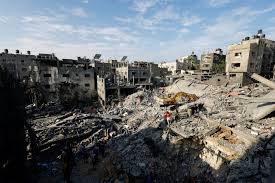
Israel’s airstrikes have already caused significant destruction in southern Lebanon, targeting Hezbollah strongholds and missile sites. While the strikes initially focused on southern Lebanon, they have expanded to northern suburbs of Beirut, raising alarms about civilian casualties. The International Organization for Migration estimates that over 90,000 people have been displaced from these areas
6. Hezbollah’s Military Strategy
Hezbollah, widely recognized as one of the most powerful non-state military groups, has entrenched itself deeply in southern Lebanon. The organization has spent years preparing for a potential conflict with Israel, building underground tunnels, bunkers, and military outposts throughout the region. Israeli military leaders believe Hezbollah has transformed many villages into military bases, complicating Israel’s military strategy and raising fears of a protracted and bloody ground war
7. US Arms and Aid to Israel
Amid the rising tensions, Israel has requested additional munitions and arms from the US to replenish its stockpiles. However, reports suggest the Biden administration is delaying some shipments, particularly concerned about exacerbating the situation. Despite Israel’s request, US officials have also emphasized the need for a ceasefire to prevent the conflict from spreading further across the region
8. The Geopolitical Stakes
For the US, the conflict represents a delicate balancing act. While Washington is a staunch supporter of Israel, it also wants to avoid being drawn into a wider regional war. With US elections looming in 2024, any escalation in the Middle East could complicate domestic and foreign policy debates, especially as America seeks to manage its relationships with key players like Iran, Lebanon, and other Arab nations
9. Diplomatic Efforts for Ceasefire
There are ongoing efforts, led by the US and its allies, to secure a ceasefire between Hezbollah and Israel. Biden has suggested that a ceasefire in Lebanon might create momentum for peace talks in other areas, such as the West Bank. However, negotiations have so far made little progress, and the chances of a lasting ceasefire remain uncertain
10. Humanitarian Crisis in Lebanon
Lebanon is already grappling with a severe economic crisis, and the ongoing hostilities have further exacerbated the country’s fragile state. The International Organization for Migration reports a significant increase in the number of displaced people as civilians flee the fighting. Many are seeking refuge in northern Lebanon, but with the situation deteriorating quickly, the humanitarian needs are expected to rise dramatically(Hindustan Times)(Middle East Eye).
Conclusion
As Israel prepares for a possible ground invasion of Lebanon, the Middle East teeters on the edge of a wider conflict. Hezbollah’s missile strikes, coupled with Israel’s aggressive air campaign, have escalated tensions to a dangerous level. The US, France, and other global powers are calling for restraint, but the road to peace remains fraught with challenges. With thousands already displaced and the region’s political landscape on a knife’s edge, the world watches anxiously for the next phase in this volatile situation.