

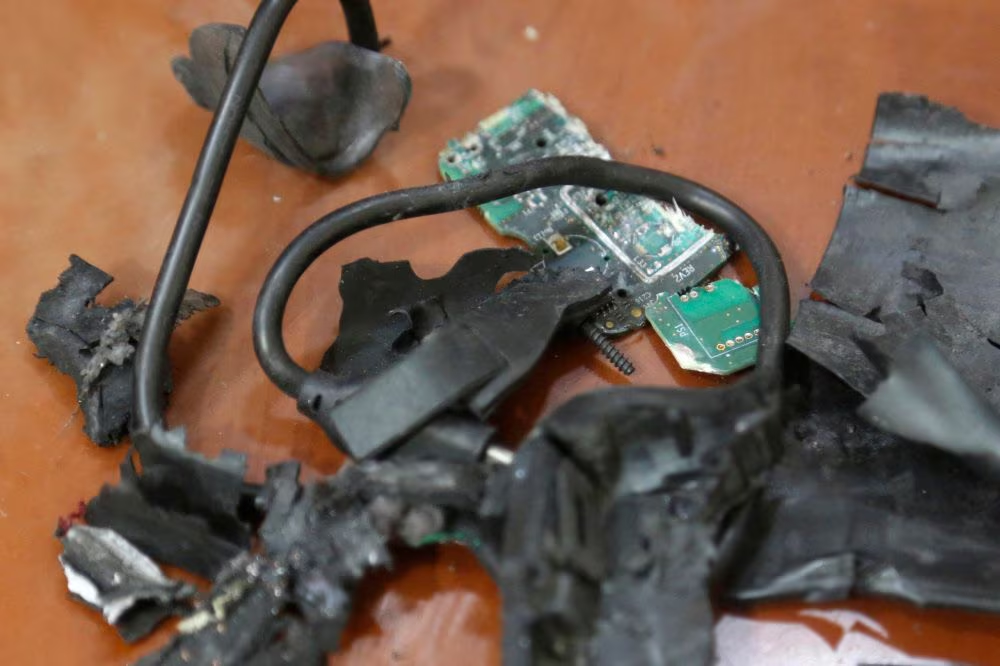
On September 18, 2024, Lebanon was rocked by a second day of explosions, this time involving walkie-talkies used by Hezbollah members. This followed a deadly attack the previous day, when pagers exploded, killing at least 17 people and injuring thousands. The blasts occurred in Hezbollah strongholds in Beirut and southern Lebanon, raising further tensions in the region.

The explosions took place during a funeral for victims of the previous day’s pager blasts, escalating fears of coordinated attacks. The Lebanese government and Hezbollah have blamed Israel for orchestrating these attacks using advanced remote technology. Israeli officials have not issued an official statement but are suspected of tampering with these devices at the production level.
The initial pager explosions were bizarre and left many puzzled as to why Hezbollah was still using such outdated communication tools. These devices are commonly used by members for communication in regions with limited mobile coverage. The blasts on Tuesday not only caused a significant death toll but also left more than 3,000 people injured, creating chaos in hospitals and overwhelming emergency services.
The explosions have added to the already tense atmosphere in the Middle East, with Hezbollah vowing retaliation. Security analysts speculate that the targeting of communication devices could be part of a broader strategy to disrupt Hezbollah’s coordination efforts. Some believe it may be a form of psychological warfare aimed at eroding the group’s confidence in its internal security systems.
As rescue operations continue and investigations unfold, Lebanon remains on high alert. Hezbollah, a powerful political and military force in the country, is expected to respond, further complicating an already volatile situation. This series of attacks has brought Lebanon’s political and security challenges to the forefront, as the nation grapples with the aftermath of these unprecedented explosions.